No Boundaries Farm A Premier Hemp Farm in California
Over the past ten years, the California hemp industry has grown a lot. The largest producers of high-quality, organic hemp flower are family-owned businesses. No Boundaries Farm is one of these innovative companies that has become well-known in the San Diego area by mixing traditional farming methods with more modern ones. This guide talks about how this Southern California hemp farm works, what it has accomplished, and what makes it special. It also talks about hemp farming in California in general.
How No Boundaries Farm Came to Be
Family history and the founding vision
The people who started No Boundaries Farm really care about healthy farming and think that hemp can be used for medical purposes. The people who started the farm knew that California's Mediterranean temperature, especially in the San Diego area, was perfect for growing high-quality hemp flower. Their goal was to make the best natural goods possible by paying close attention to every detail and learning a lot about plant breeding.
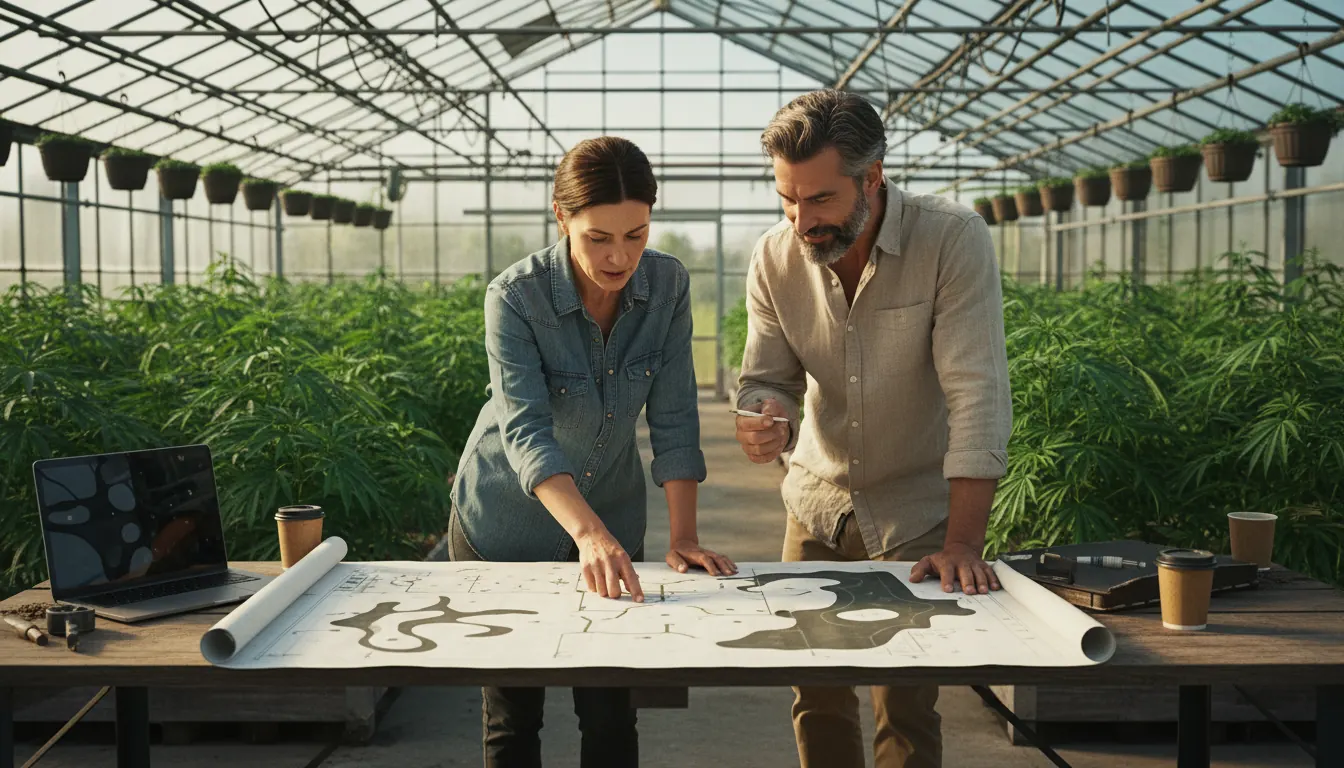
The original team had a wide range of skills, including knowledge in botanical science, organic farming, and gardening. This combination allowed them to come up with their own unique ways to grow cannabis that increase cannabinoid production while still being good to the earth. From the start, the business put a lot of emphasis on being open and honest. Each batch went through strict testing by a third-party lab to make sure it had the right cannabis levels and no contaminants.
Cannabis Farmers Market in San Diego Gets Credit
There is a strong group of hemp and cannabis fans in the San Diego area, and farmers markets are an important way for small-scale producers to meet directly with customers. No Boundaries Farm started going to these community events on a daily basis. Customers could meet the growers, ask questions about how the crops were grown, and try goods before buying them.
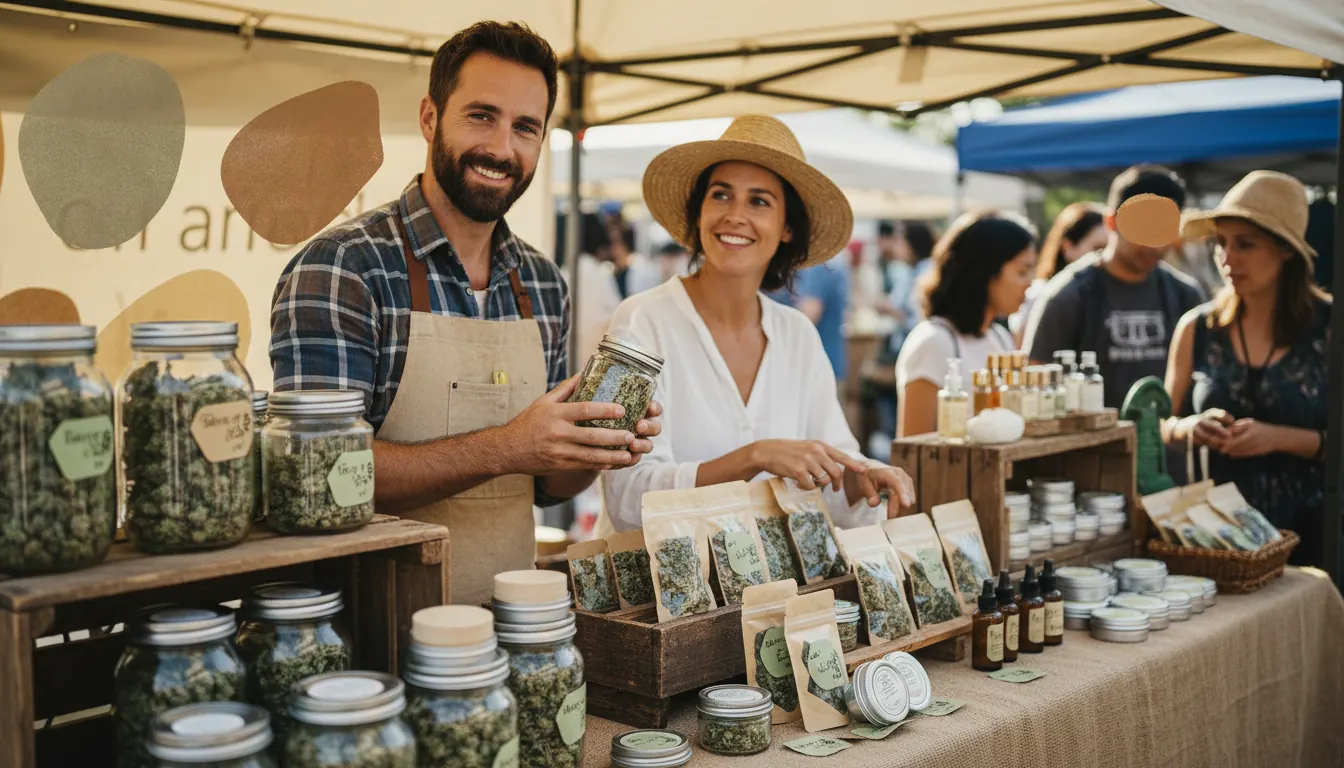
Taking part in these markets gave us important feedback that helped us make better products. Customers' choices for certain terpene patterns, flower density, and cannabinoid levels were revealed through conversations. Based on this information, the farm changed how it grew plants and made types that hemp experts in San Diego liked.
Award-Winning Work on the Hemp Flower
Awards from events in the same field confirmed the high quality standards that noboundariesfarm has always had. The farm won first place in both the "Best Overall" and "People's Choice" categories at the San Diego Cannabis Farmer's Market 2020 Farmer's Cup. This is a famous competition where regular people, not people in the business, judge the entries.
To get these honors, you needed more than just skilled nurturing. The farm was successful because they carefully chose which strains to grow, when to gather them, and how to cure them so that the terpenes would stay intact and the taste complexity would be maximized. These awards showed that hard work and knowledge could beat economies of scale for a small family business fighting with bigger ones.
Excellence in Growing Hemp in California
Standards for organic farming and lab tests
There are different ways that Californian hemp farms grow their crops, and each has its own pros and cons. Knowing these steps helps people understand how much work goes into making high-quality hemp flower and the things that affect the quality of the finished product.
| Cultivation Method | Primary Benefits | Certification Requirements | Yield Characteristics | Best For |
|---|---|---|---|---|
| Organic Outdoor | Natural sunlight, lower costs, sustainable, full-spectrum terpene expression | USDA Organic, CDFA registration, soil testing | Moderate to high, weather-dependent | Craft flower, full-spectrum products |
| Conventional Outdoor | Higher yields, pest control flexibility, lower labor costs | CDFA registration, pesticide compliance | High, consistent | Industrial hemp, fiber production |
| Regenerative Agriculture | Soil health improvement, carbon sequestration, biodiversity | Regenerative Organic Certified, CDFA registration | Moderate, improving over time | Premium flower, sustainable brands |
| Controlled Environment | Year-round production, climate control, pest management | CDFA registration, energy compliance | Consistent, controllable | Medical-grade, specific cannabinoid profiles |
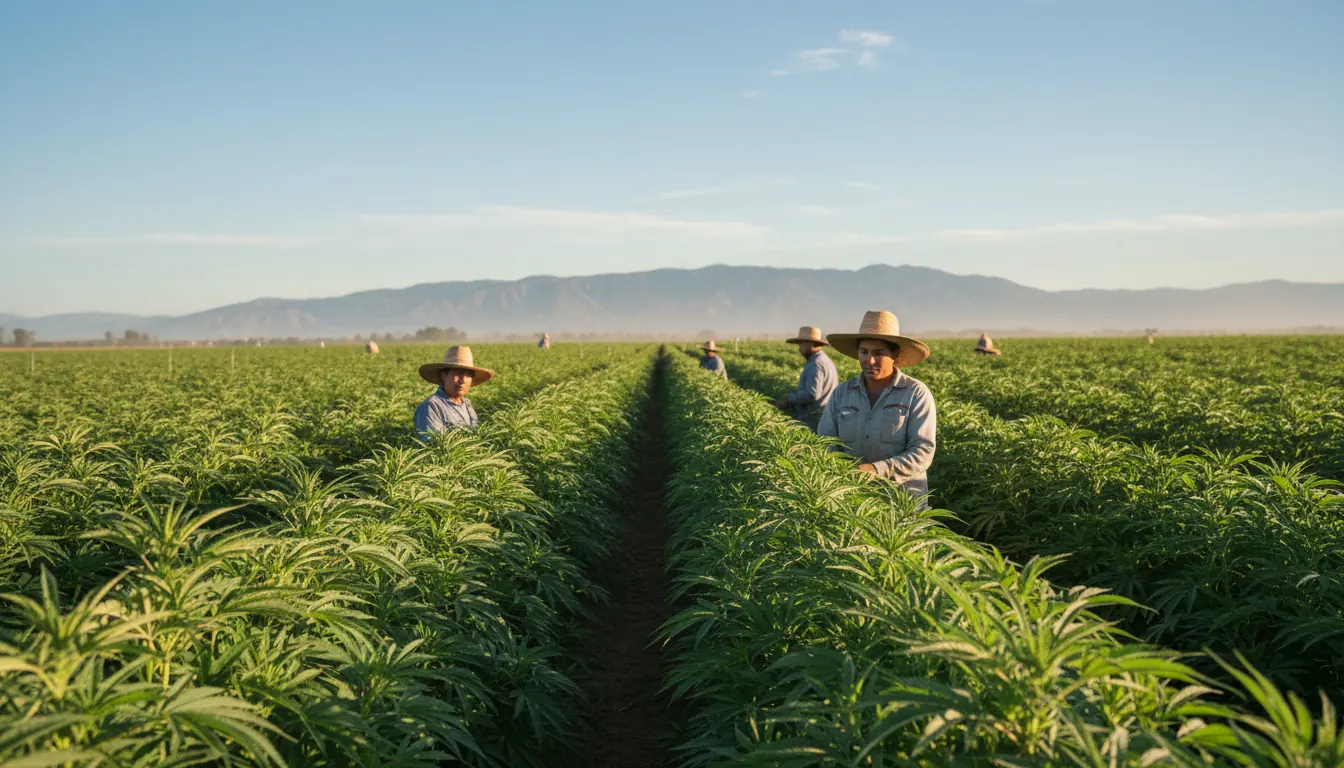
No Boundaries Farm chose organic outdoor farming to take advantage of Southern California's lots of sunshine while also being good to the environment. This method makes hemp flower with strong terpene profiles that are hard to get in indoor processes. The way plants grow naturally puts them under mild stress, which makes them make more resin, which makes the buds smell and taste better.
Lab tests are the most important way for reputable hemp businesses to make sure the standard of their products. Every crop batch is carefully checked for cannabis content to make sure that THC levels stay below the 0.3% limit set by the federal government. Heavy metals, herbicides, leftover solvents, microbial pollutants, and mycotoxins are some of the other things that are tested for.
Why farming hemp in southern California is good for the climate
Some of the best settings for growing hemp in the United States are in the San Diego area. The Mediterranean climate in the area has mild, wet winters and warm, dry summers. This makes the growing season longer, which in some cases means more than one crop. In the growth season, daytime temperatures are usually between 65 and 85 degrees Fahrenheit, and cool breezes from the coast help keep things from getting too hot.
In Southern California, the humidity stays low all summer, which lowers the fungal pressure and mold risk that hemp farmers in more wet areas have to deal with. During the blooming stage, when thick buds are more likely to get botrytis and powdery mildew, the dry conditions are especially helpful. Because there are fewer diseases, organic farms can use less or no fungicides.
The No Boundaries Process: From Seed to Harvest
On a California hemp farm, the growing process starts with carefully choosing which seeds or clones to use. This usually happens in late winter or early spring. Genetics are looked at by growers to see things like the plant's ability to produce cannabinoids, its resistance to pests, its growing time, and its structure features. Feminized seeds make sure that almost all plants create flowers that are high in cannabinoids instead of pollen, which increases the output.
Testing and amending the soil to get the best pH, nutrient availability, and microbe activity are all parts of field preparation. To naturally make the earth more fertile, organic farms use cover crops, compost, and good microbes. During the green growth phase, farmers keep an eye out for pests, change the amount of watering based on the weather, and train the plants to have the best canopy structure.
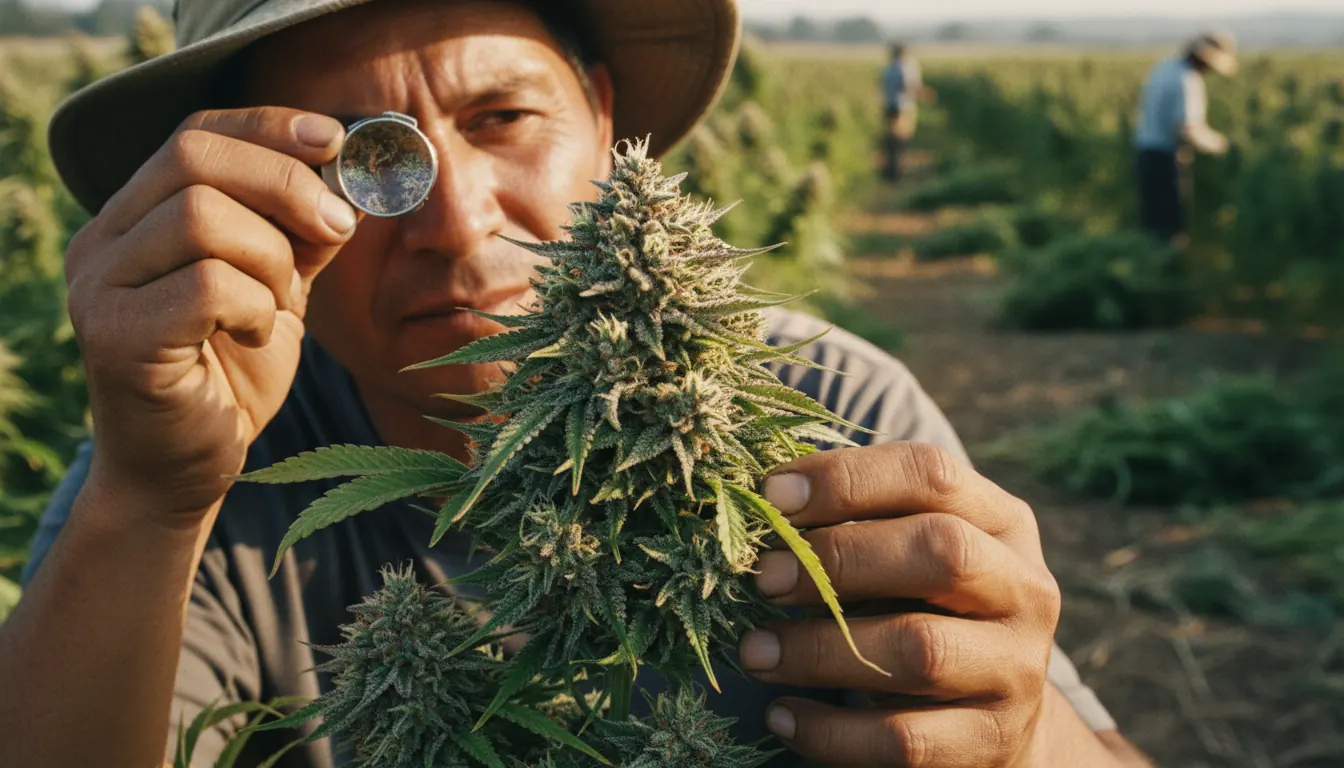
When the days get shorter in late summer, the change to blooming starts, which starts the growth of buds. Farmers look at trichomes under a microscope to find the peak cannabis development, which requires careful observation. Once the plants have been picked, they need to be properly dried and cured before they can be smoked. This turns the raw material into flower that smells great and is easy on the joints.
Learning About How Hemp Farms Work
The laws that apply to California's hemp farms
The California Department of Food and Agriculture is in charge of the state's USDA-approved hemp production plan and the rules that govern hemp farming in California. This system sets the rules for how growers must be registered, how crops must be tested, and how they must be thrown away if they don't meet the standards. Before they can start farming, people who want to become farmers have to register with their county's agriculture commissioner, give thorough site plans, and go through background checks.
Testing standards are an important part of compliance, and samples must be taken within fifteen days of when the harvest is expected to happen. Agents who are approved by the USDA follow strict rules to get samples that are representative and properly show the levels of cannabinoids in the whole field. Crops that test above 0.3% total THC have to be thrown away, but in some cases, California lets them be fixed by treating them more.
How to Start a Hemp Farm: The Most Important Steps
Start-up costs for a good hemp business are careful planning, a lot of money, and a deep understanding of basic farming techniques. The important path from idea to first harvest is shown below in steps:
- Obtain Appropriate Land and Water Rights: Look for land that has the right dirt, enough access to water, and a zone that allows farming. Check to see if growing hemp is legal in your area, and see if it's close to any sensitive places that might lead to extra limits. People in California who live in drought-stricken areas need to pay extra attention to water rights.
- Complete the Registration and Compliance Requirements: Send applications with full site maps, GPS locations, and cultivation plans to the California Department of Food and Agriculture and the county agriculture commissioner. Get the business licenses you need and start working with USDA-approved sampling workers. Plan for the cost of tests and yearly licensing fees.
- Develop Cultivation Infrastructure: Set up watering systems that are right for the size of the business. Build places to store things for drying and hardening that let air move, keep the right temperature, and are safe. Get gardening tools, such as things to use for preparing the dirt, planting, and harvesting. Think about the fence needs for safety and keeping animals out.
- Source Good Genetics and Inputs: Look for seed or clone sources that have tested genetics and safety paperwork that shows the parent plants meet THC limits. Check to see if the strains are right for the area's temperature, market needs, and planned use. Find fertilizers, soil amendments, and bug control items that are allowed for organic farming.
- Integrated Pest Management: Come up with ways to keep an eye on and get rid of common hemp pests like grasshoppers, spider mites, aphids, and corn earworms. As biological control agents, you could think of ladybugs, lacewings, and hungry mites as good bugs. Make a plan to avoid getting diseases by spacing things out correctly and managing watering.
- Plan Harvest and Post-Harvest Processing: Make sure you have enough workers during the busy harvest season. Set up drying rooms with controlled temperature and humidity to keep germs away and keep the oils. Set up bucking and cutting services or hire someone to do it for you to separate flowers from twigs and leaves.
- Set up Market Channels and Do Compliance Testing: Find buyers before you plant, whether it's through processing contracts, direct-to-consumer sales, or trade ties. Set up tests at a third-party lab to get the certificates of analysis you need to legally sell the goods. Make sure that the labels and packages you use meet state standards.
Checking for quality and testing products
Premium hemp businesses are different from commodity makers because they have strict quality control. Testing starts in the field with regular analysis of plant tissue to check the level of nutrients and make changes to treatment plans. During the growth cycle, visual inspection can find signs of pests, diseases, and natural stress before they get worse.
After the crop, testing includes more than just making sure the rules are followed. The full cannabis makeup is found through potency research. This includes CBD, CBG, CBC, and trace cannabinoids that help with entourage effects. Terpene research finds the aromatic molecules that give each strain its own unique tastes and effects. Product safety is ensured by checking for herbicides, heavy metals, and bacteria pathogens, among other things.
Similarities in Risk Management Between Growing Hemp and Running a Casino
Making strategic choices in farming and games
To make a profit that lasts, both hemp farming and running a casino need to do complex risk assessments and strategy planning. When you look at decision-making models, the connections between the hemp farm and the casino become clear. When planning for each season, farmers have to think about a lot of things, such as the weather, market demand, input costs, and changes in the rules. In the same way, casino owners look at how customers act, how the competition works, what the rules are, and how the economy is doing.
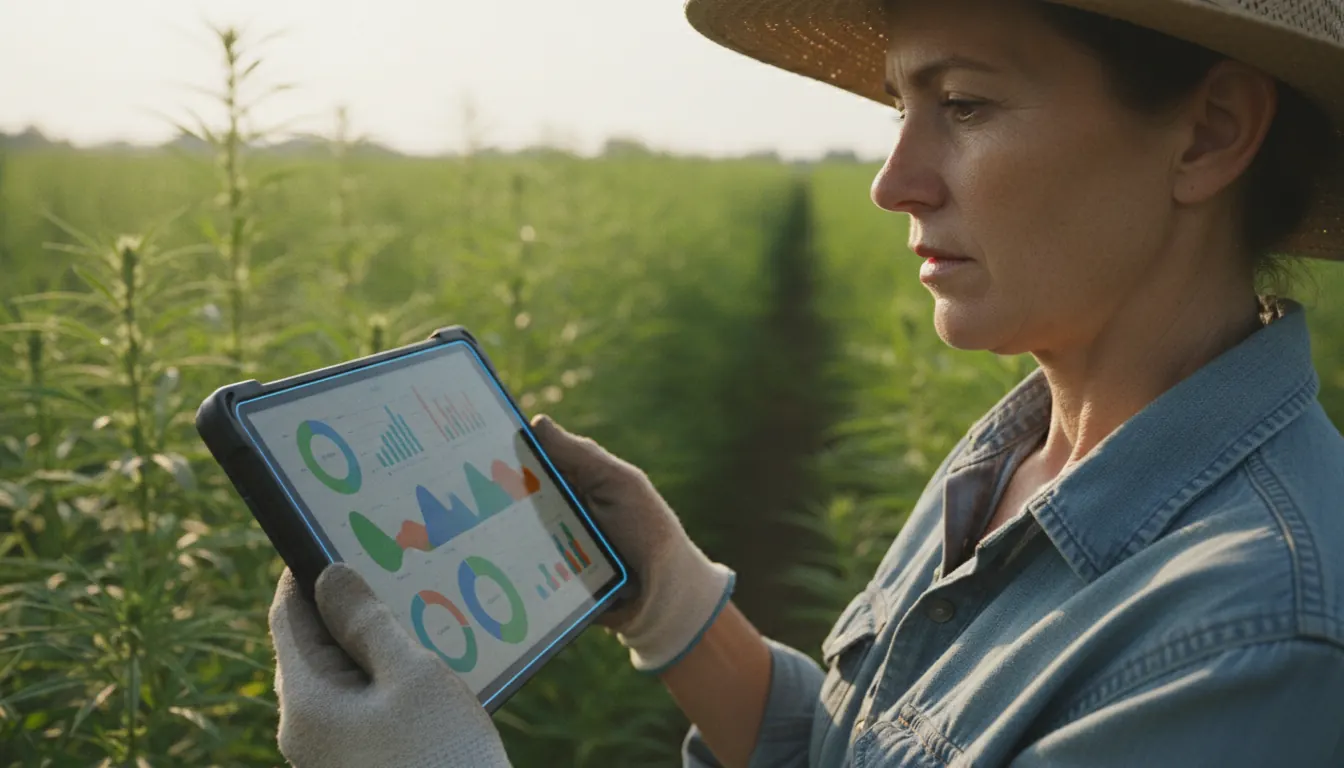
One more usual problem is allocating resources. Hemp farmers have to decide how to spend their limited funds on things like buying land, genetics, infrastructure, labor, and marketing. In the same way, casino managers have to balance spending on things like new game equipment, improvements to the building, getting new customers, and running costs. Both industries need to spend money up front before they can make money, which makes managing cash flow difficult.
What Risk Assessment Has in Common and What It Does Not
When you look at how the differences and similarities between hemp farms and casinos show up in risk management, you can see some interesting connections between these seemingly unrelated fields:
- Investment Risk and Return Variability: Hemp farmers don't know how well their harvests will turn out because bad weather, pest attacks, or failing to follow the rules could destroy whole crops. In the same way, the economy, competition, and changes in the law can all affect how much money casino owners make. But casinos have mathematical advantages built into their games, while farmers don't have any guarantees and have to deal with the unpredictable state of nature.
- Regulatory Compliance Difficulty: Both fields are closely watched by the government and face harsh punishments for breaking the rules. Hemp farms have to follow federal, state, and local rules about growing, testing, and selling the plant. If they don't follow the THC rules, their crops will be destroyed. Casinos have to follow a lot of rules when it comes to licensing, gambling, and taxes. If they don't follow these rules, their licenses could be taken away.
- Market Timing and Seasonality: Hemp farmers have to pick their crops at just the right time to get the most cannabinoids and meet government regulations. There are only a few days between peak quality and quality decline. In the same way that casino owners have to guess when to run promotions based on what customers want and what other casinos are doing, this is similar. But because hemp grows once a year, planning for it takes longer than planning for a casino.
- Quality Control and Consistency Problems: High-end hemp businesses try to make sure that each batch has the same marijuana profiles, terpene content, and look, but natural differences mean that they can't be perfectly regular. In the same way, casinos try to give customers the same experience during all times, days, and places. Both businesses put a lot of money into training and making sure the standard of their products.
- Building trust and educating customers: Hemp farmers teach customers about the different kinds of cannabinoids, how to use them, and the effects they have in order to build a customer base of knowledgeable people. This job as an educator is similar to casino programs that teach responsible gaming by explaining chances, house benefits, and the value of fun. Both businesses fight false information and social shame while encouraging responsible use.
A comparison of the economics of hemp farms and casinos' ways of making money
The economic models that support both hemp farms and casinos show big differences in how they can be scaled up, how their margins are set up, and how they balance risk and return. Hemp farms usually don't make a lot of money, especially small craft makers that have to compete with large industrial operations. Making money depends only on a good crop and a good market, and there's no promise that sales will be at prices that make money.
Statistical advantages help casinos make money in the long run, even when things go wrong in the short term. The house edge in games makes results that are expected as the number of transactions goes up. This statistical certainty is very different from the unpredictability in agriculture. But casinos need a lot of money to open and run, and in many places they can't grow because the markets are already grown and competitive.
No Boundaries Farm's Product Line and Position in the Market
The products that No Boundaries Farm sells are the result of years of carefully choosing which plants to grow and growing them in order to meet the needs of a wide range of customers. The farm's catalog has a good mix of popular general strains and specialized types that will appeal to cannabis experts looking for unique cannabinoid and terpene profiles.
Different kinds of hemp flowers and their cannabinoid profiles
Knowing the chemicals that make up the different types of hemp helps people make choices that are good for their health and taste good. Different types have different amounts of cannabinoids and terpenes, which affect how they work and how they taste.
| Strain Name | CBD Content | Total Cannabinoids | Dominant Terpenes | Primary Effects | Price per Gram |
|---|---|---|---|---|---|
| California Dream | 18-22% | 20-24% | Myrcene, Limonene, Caryophyllene | Relaxation, stress relief, mild euphoria | $8-12 |
| San Diego Sunset | 15-19% | 18-22% | Pinene, Linalool, Humulene | Calming, sleep support, anxiety reduction | $7-11 |
| Golden State Haze | 16-20% | 19-23% | Terpinolene, Ocimene, Limonene | Focus, creativity, mood elevation | $9-13 |
| Pacific Kush | 19-23% | 21-25% | Caryophyllene, Myrcene, Limonene | Pain relief, muscle relaxation, deep calm | $10-14 |
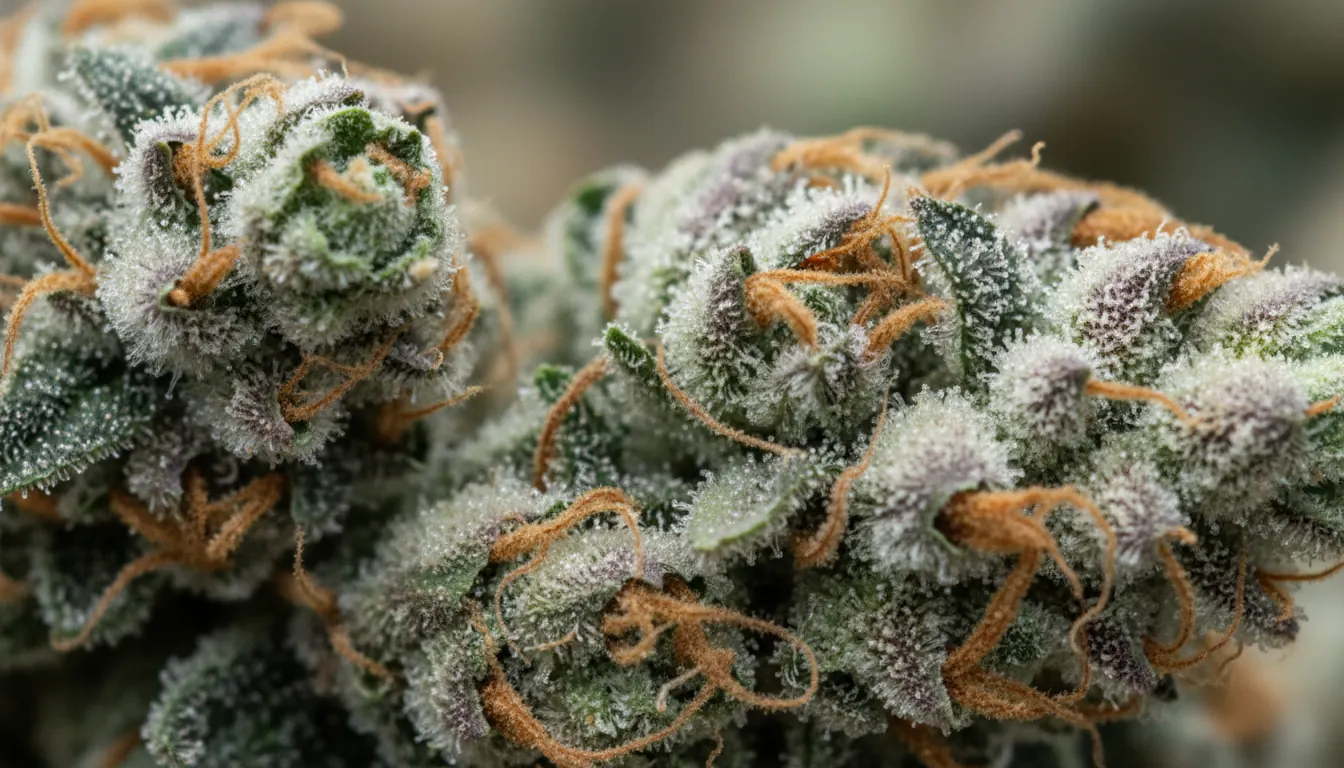
These strains are the result of careful breeding and selection work that tried to maximize their medicinal potential while still being safe. Terpene profiles play a big role in the entourage effect, which happens when several cannabis chemicals work together to make one stronger effect. Craft makers like noboundariesfarm can charge higher prices because their products are better and they provide better customer service.
Selling directly to customers vs. selling in bulk
There are different ways that hemp can be sold in the business, and each has its own pros and cons. Farmers markets, farm shops, and internet platforms that let people buy directly from producers let them get the full retail value of their goods while also building personal relationships with customers. Using this method takes a lot of time, but it gives useful feedback that helps with product growth.
Wholesale delivery through dispensaries, shops, and processing companies gives you more options and makes marketing easier. But bulk prices are usually 30–50% of retail prices, which makes earnings much smaller. When rules were changed to allow hemp trade between states, online sales went through the roof. This meant that small farms could reach customers across the country without being limited by geography.
Sustainability Practices and the Effects on the Community
For farms that want to be sustainable in the long run, environmental care is more than just following the rules. No Boundaries Farm uses methods that improve the health of the earth, save water, and safeguard plant and animal life. Cover crops grown between hemp production rounds stop soil loss, keep weeds down, and fix nitrogen in the air. Adding compost to soil brings back organic matter, which improves its structure and bacteria activity.
In California, where the temperature is semi-arid and droughts happen often, saving water is especially important. Drip irrigation sends water straight to the roots of plants, so less of it evaporates and runs off. The effects on the community go beyond protecting the environment and include economic growth and education. For example, local hemp farms create jobs in agriculture and keep money flowing through local markets.
FAQ
How is No Boundaries Farm different from California's other hemp farms?
No Boundaries Farm stands out by using organic farming methods, producing high-quality crops, and actively engaging with the community. Getting first place at the 2020 San Diego Cannabis Farmer's Market Farmer's Cup shows that the farm is dedicated to doing its best. Large corporate operations try to make as much as possible, but this family-owned farm focuses on craft production methods that keep the potency and richness of the terpenes and cannabinoids.
What is farming like when it comes to growing hemp?
Hemp farming and gaming both involve some risk, but they are very different in terms of control and skill use. Both hobbies require an initial investment with uncertain rewards, and both have factors that participants cannot control. But experienced farmers have a big impact on the results through their knowledge of agronomy, how they control pests, and when they gather. The comparison brings up the risk of farming without saying that farming is all about luck.
What rules do California's hemp farms have to follow?
Before they can grow hemp, California farms have to register with the state's Department of Food and Agriculture and their county agriculture commissioners. Sampling workers authorized by the USDA must test all hemp within fifteen days of harvest. Total THC content can't be higher than 0.3%, and crops that don't follow the rules must be destroyed or fixed. County-level laws may add more rules about distances, security, and getting rid of smells.
How does the weather in Southern California help grow hemp?
The Mediterranean climate in southern California makes it perfect for growing hemp, with mild, wet winters and warm, dry summers. Longer growing seasons let plants grow leaves and flowers for longer, which increases the production of cannabinoids. Low humidity during blooming lowers the number of fungal diseases, so organic farms can use less fungicide while still getting a pure product.
What should people look for when they buy hemp flower?
A good hemp flower has a number of qualities that show it was grown and handled correctly. Buds that are thick, sticky, colorful, and full of trichomes should be easy to see. The smell should be strong and pleasant, with terpene profiles that are unique to each breed. Ask for records of analysis that show the amount of cannabinoids, terpenes, and contaminants that were found.
Can small hemp farms go up against big industrial hemp fields?
Instead of making a lot of hemp, small craft hemp farms compete by making their products stand out and building direct relationships with customers. Flower quality is so much better when grown in an artisanal way that it gets higher prices from picky buyers. People are ready to pay more for honesty, quality, and real creation stories in the craft hemp market, just like they do for specialty coffee and craft beer.
Where can people buy goods from No Boundaries Farm?
There are several ways to get No Boundaries Farm goods in the San Diego area and beyond. The farm is often at farmers markets in the San Diego area, where customers can talk to the growers directly. Customers in California and other states where selling hemp is allowed can easily and discreetly order from the farm's website and have their orders sent to them.
In conclusion
Craft hemp has become very popular in California, and No Boundaries Farm is a great example of how to grow hemp using both traditional farming methods and new scientific knowledge. As the hemp business grows older, farms like this family-owned one show that small-scale producers can do well by making great products and getting involved in their communities, instead of just fighting on price and volume. The similarities between managing farming risks and other projects that need strategic planning show that some business rules apply to all fields.