Hemp Farm Operations in California Explained
California's hemp industry operates under comprehensive regulatory frameworks that ensure product safety, environmental protection, and legal compliance. Licensed hemp farms navigate complex requirements spanning federal, state, and county levels while maintaining profitable operations that produce quality hemp flower. Understanding how these farms function—from initial registration through harvest and testing—provides insight into the infrastructure supporting California's growing hemp sector and the standards protecting consumers.
Regulatory Compliance Framework
California hemp cultivation begins with registration through the California Department of Food and Agriculture, which administers the state's USDA-approved hemp production plan. Prospective farmers submit detailed site plans with GPS coordinates, undergo background checks, and obtain county agricultural commissioner approval before planting. This multi-layered registration ensures traceability throughout the supply chain and prevents illegal cannabis cultivation disguised as hemp farming.
- CDFA registration requires detailed cultivation plans and annual renewal with compliance verification
- County agricultural commissioners may impose additional local requirements beyond state standards
- All hemp must undergo USDA-certified sampling within fifteen days of anticipated harvest
- Total THC content above 0.3% requires crop destruction or remediation through further processing
Operational Requirements
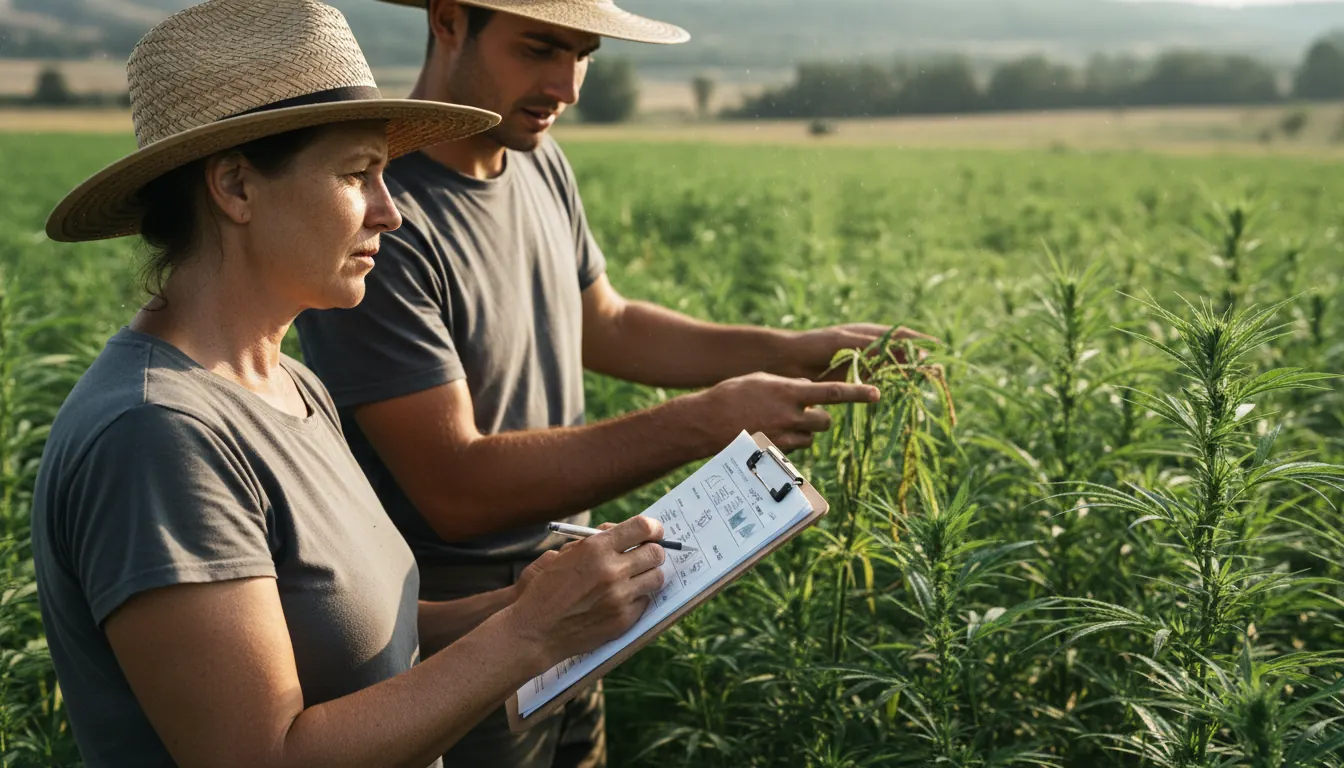
Licensed hemp farms must meet specific standards throughout the cultivation cycle to maintain compliance and market access.
| Operation Phase | Requirement | Verification Method |
|---|---|---|
| Pre-Cultivation | Site registration and seed documentation | County agricultural commissioner approval |
| Growing Season | Detailed records of inputs and activities | Inspection access for regulatory officials |
| Pre-Harvest | THC testing by certified sampling agents | DEA-registered laboratory analysis |
| Post-Harvest | Batch testing and certificates of analysis | Third-party laboratory verification |
"Compliance isn't bureaucracy—it's the framework that protects legitimate hemp farmers and ensures consumer safety across California."
From Field to Market
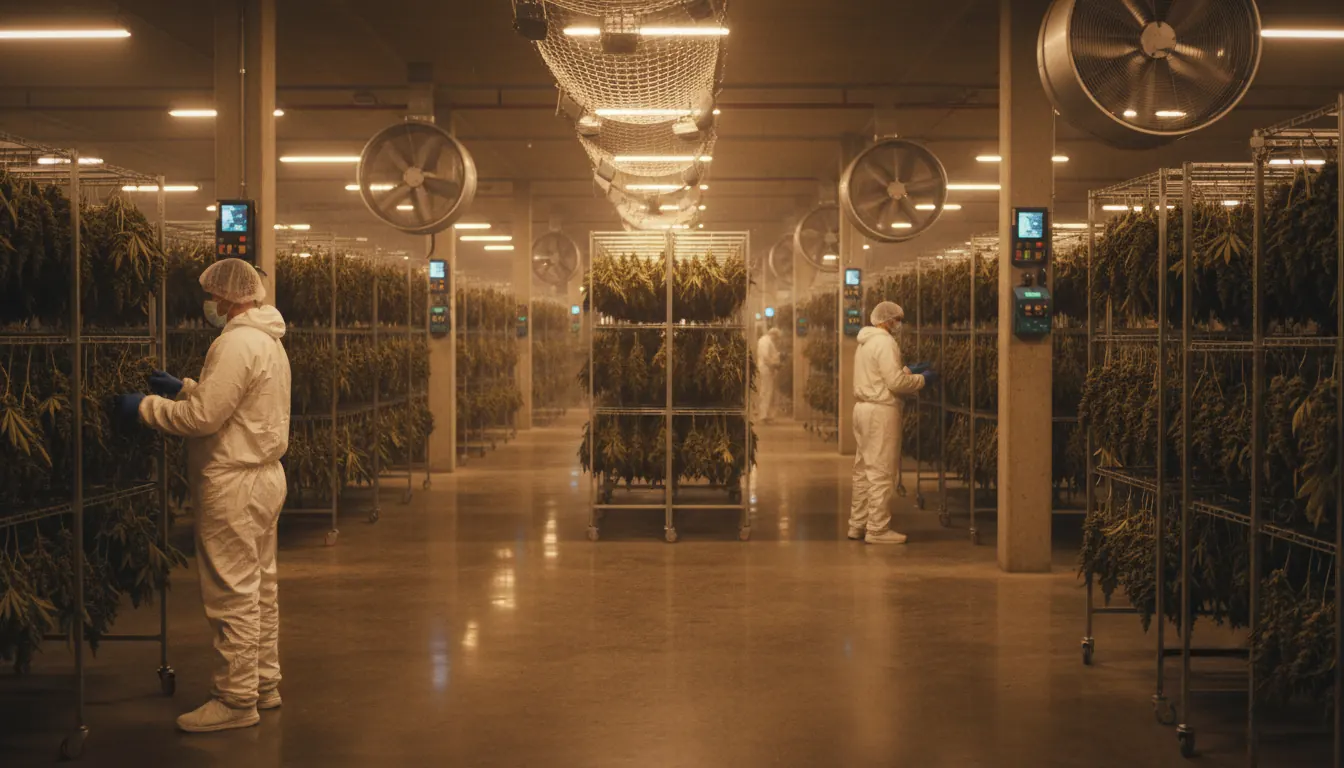
After successful harvest and compliance testing, hemp farms process flower through drying and curing stages that preserve cannabinoid content and terpene profiles. Proper post-harvest handling requires controlled temperature and humidity to prevent mold while maintaining product quality. Final products receive additional laboratory testing before sale, with certificates of analysis accompanying each batch. This comprehensive verification system ensures that California hemp flower reaching consumers meets all safety and quality standards while maintaining the legal THC limits that distinguish hemp from cannabis.